
Roof Repair vs Replacement: What Wilmington Homeowners Need to Know

Living near the coast means your roof handles more than just rainfall. Wind-driven storms, humidity, salt air, and rapid weather changes all affect how long a roofing system lasts in Wilmington.
So when you notice a leak or visible damage, the big question becomes:
Is a repair enough — or is it time to replace the entire roof?
The answer depends on the condition of your complete roofing system — not just the shingles.
To better understand that difference, it helps to review how roofing systems explained in Wilmington work together to protect coastal homes.
When Roof Repair Is the Right Choice

Roof repair is usually appropriate when:
- Damage is limited to one section
- Flashing around a chimney or wall has failed
- A recent storm lifted a few shingles
- The roof is still mid-life
- The decking remains structurally sound
Many coastal leaks begin around roof transitions rather than across the entire surface. In fact, this is explained in more detail in why roof flashing fails on coastal homes, where we break down how wind and moisture affect flashing first.
Spring storms often expose weaknesses that developed over winter. Preparing with winter to spring roof maintenance in Wilmington, NC can prevent small repairs from becoming full replacements.
Repairs can be highly effective when the rest of the roofing system is still functioning properly.
When Roof Replacement Makes More Sense


Replacement may be the better long-term solution when:
- The roof is 18–25+ years old
- Shingles are brittle, curling, or cracking
- Multiple leaks are present
- Underlayment has deteriorated
- Moisture has reached the decking
When the protective layers beneath the shingles begin to fail, repairs often become temporary. We discuss this further in roof underlayment for coastal homes, where we explain how underlayment acts as your backup moisture barrier.
If more than one component is compromised, full replacement may prevent ongoing structural damage.
Coastal Roofing Is a System — Not Just Shingles
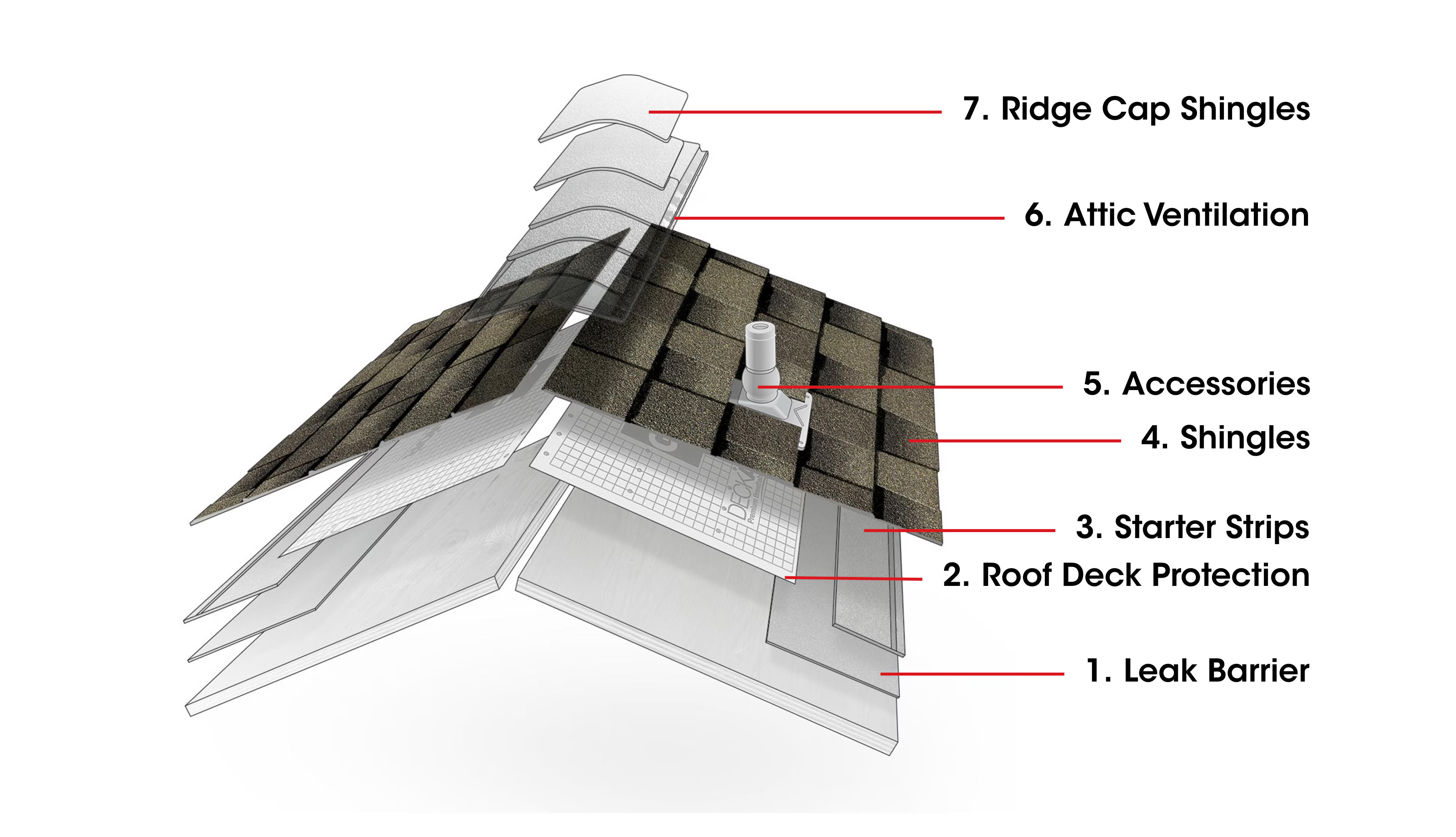
A roof is made up of multiple layers working together:
- Structural decking
- Underlayment
- Flashing
- Ventilation
- Shingles
Understanding how these layers interact is essential before deciding on repair or replacement. That’s why reviewing the most overlooked roof components in Wilmington can provide valuable context.
Industry standards also support this system-based approach. According to the National Roofing Contractors Association, a complete roofing system must function together to properly manage water intrusion and airflow.
The Coastal Factor Changes the Equation
Wilmington roofs are exposed to:
- Wind uplift
- Salt air corrosion
- High humidity
- Heavy storm cycles
These environmental factors can accelerate wear compared to inland homes. In some cases, trapped attic moisture contributes to premature roof aging. We break this down further in roof ventilation problems in Wilmington homes, where airflow and humidity control play a major role.
A professional inspection determines whether the issue is isolated — or affecting multiple system components.
Signs You Should Schedule an Inspection

Schedule a roof inspection if you notice:
- Water stains after storms
- Damp attic insulation
- Shingles lifting in windy conditions
- Rusted flashing
- Musty interior odors
Early evaluation gives you more options — and often lowers repair costs.
What Wilmington Homeowners Should Take Away
Some roofs need simple, targeted repairs.
Others require full system replacement.
The key is diagnosing the real problem — not just the visible symptoms.
At No Limit Roofing, we inspect coastal roofs with long-term performance in mind. If a repair will solve the issue safely, we’ll recommend it. If replacement is the smarter investment, we’ll explain why.
- Serving Wilmington, Leland, Ogden, Wrightsville Beach, Carolina Beach, and surrounding coastal communities
- Free roof repair and roof replacement estimates.
We tell the truth about your roof.

Coastal conditions accelerate roof wear.
Wind-driven rain, humidity, and salt exposure can cause damage long before it becomes obvious from…